EXHIBITIONS / PAST / LEOPOLD - LEVY

TEXT

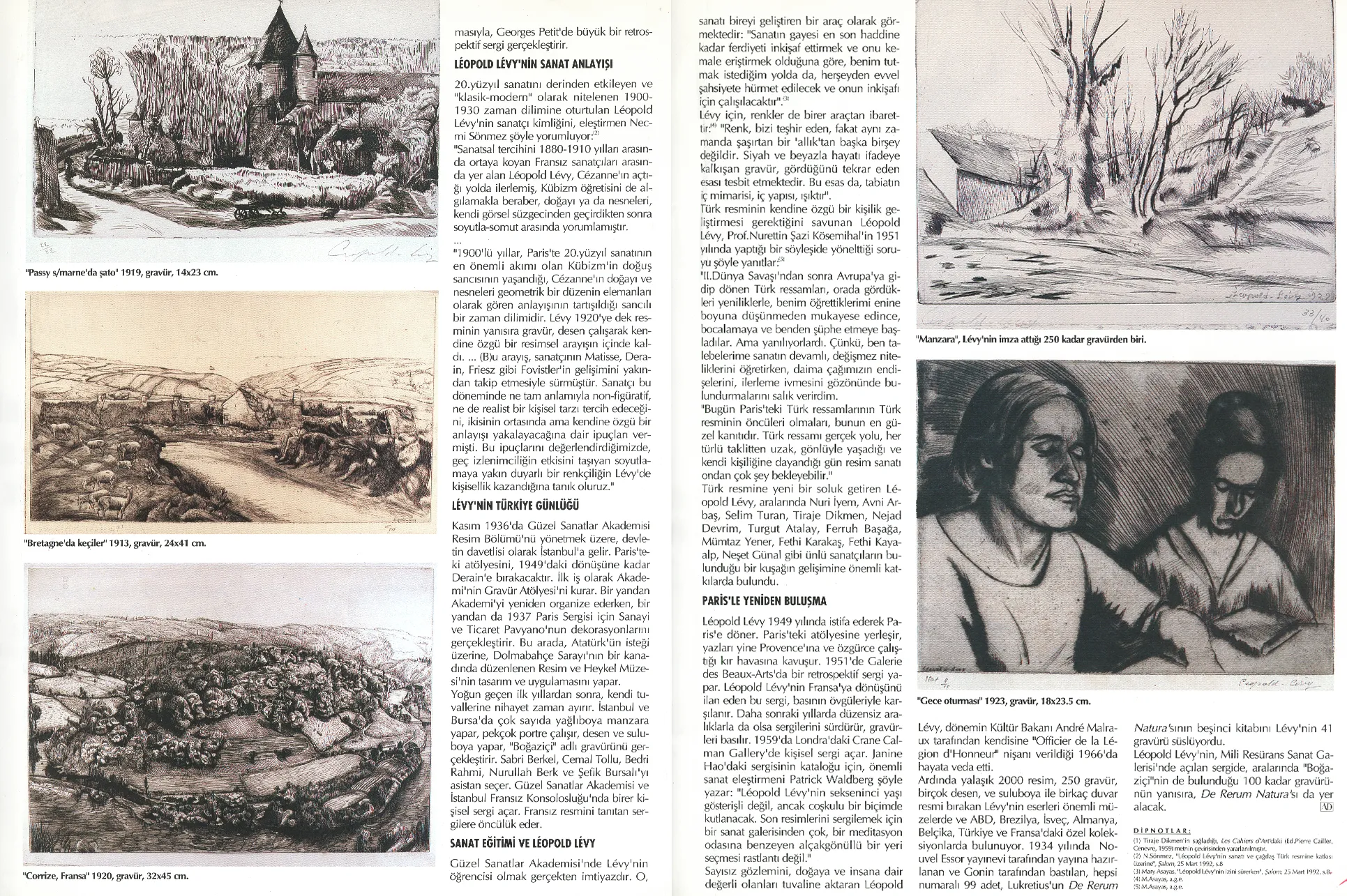
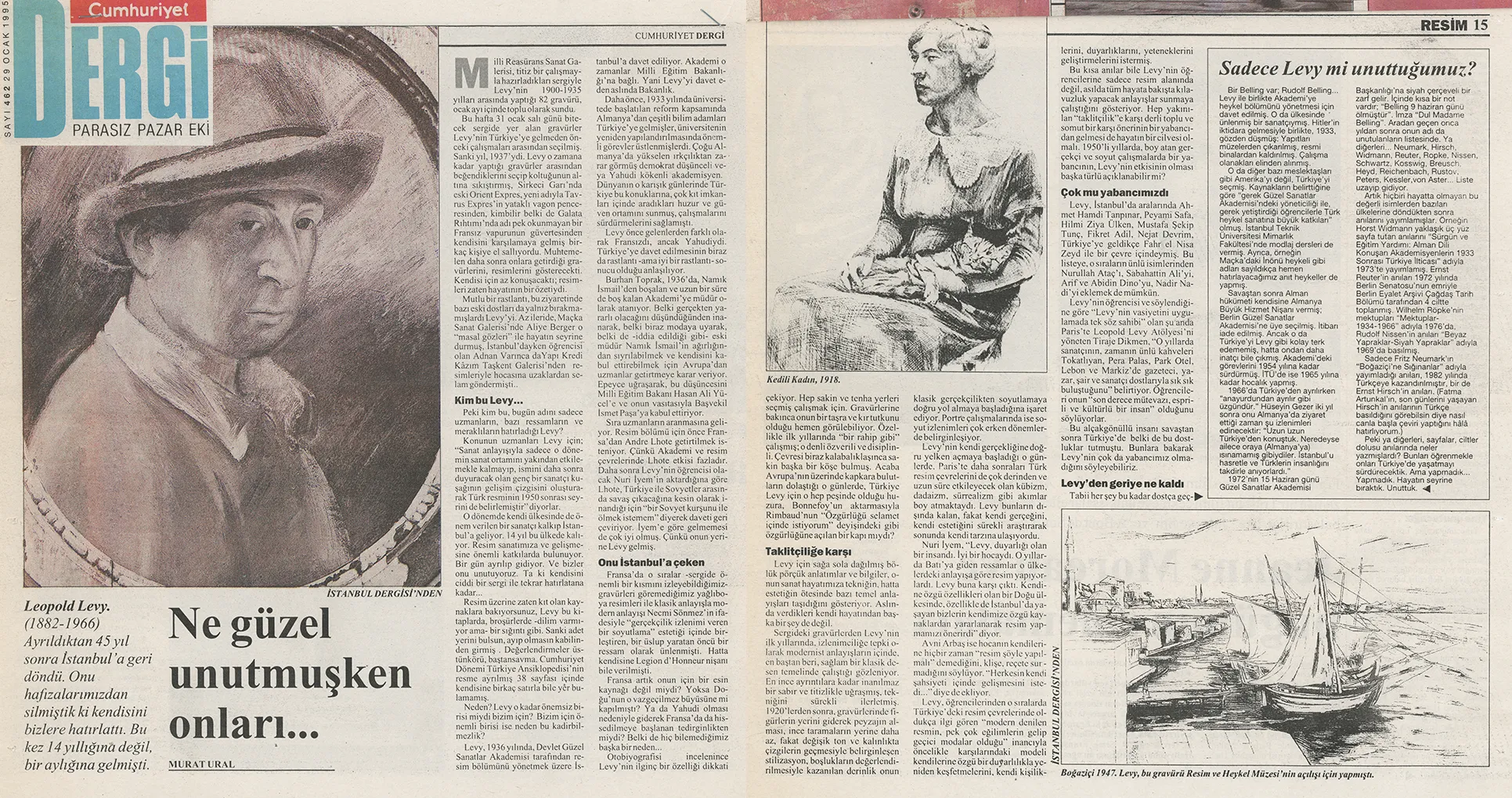
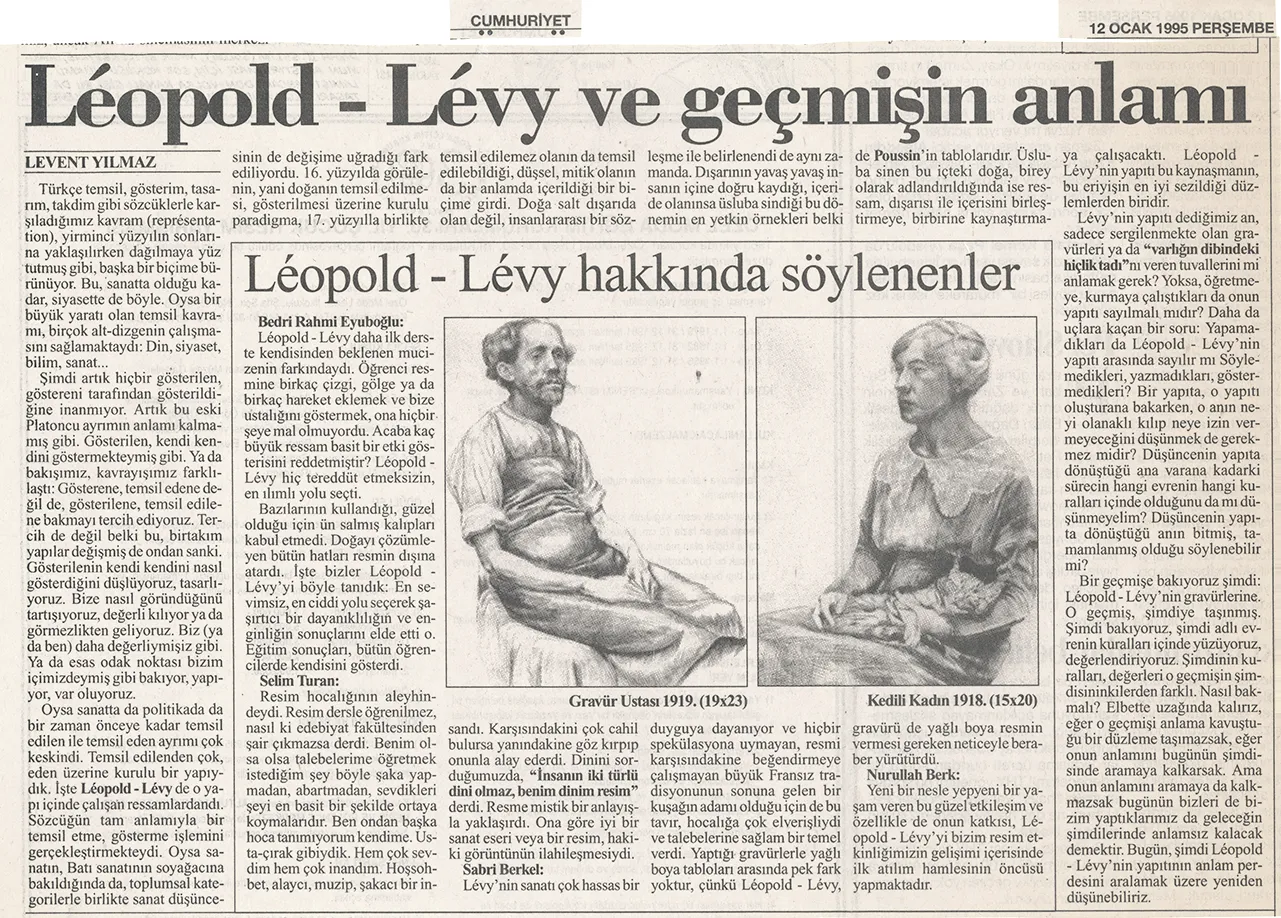
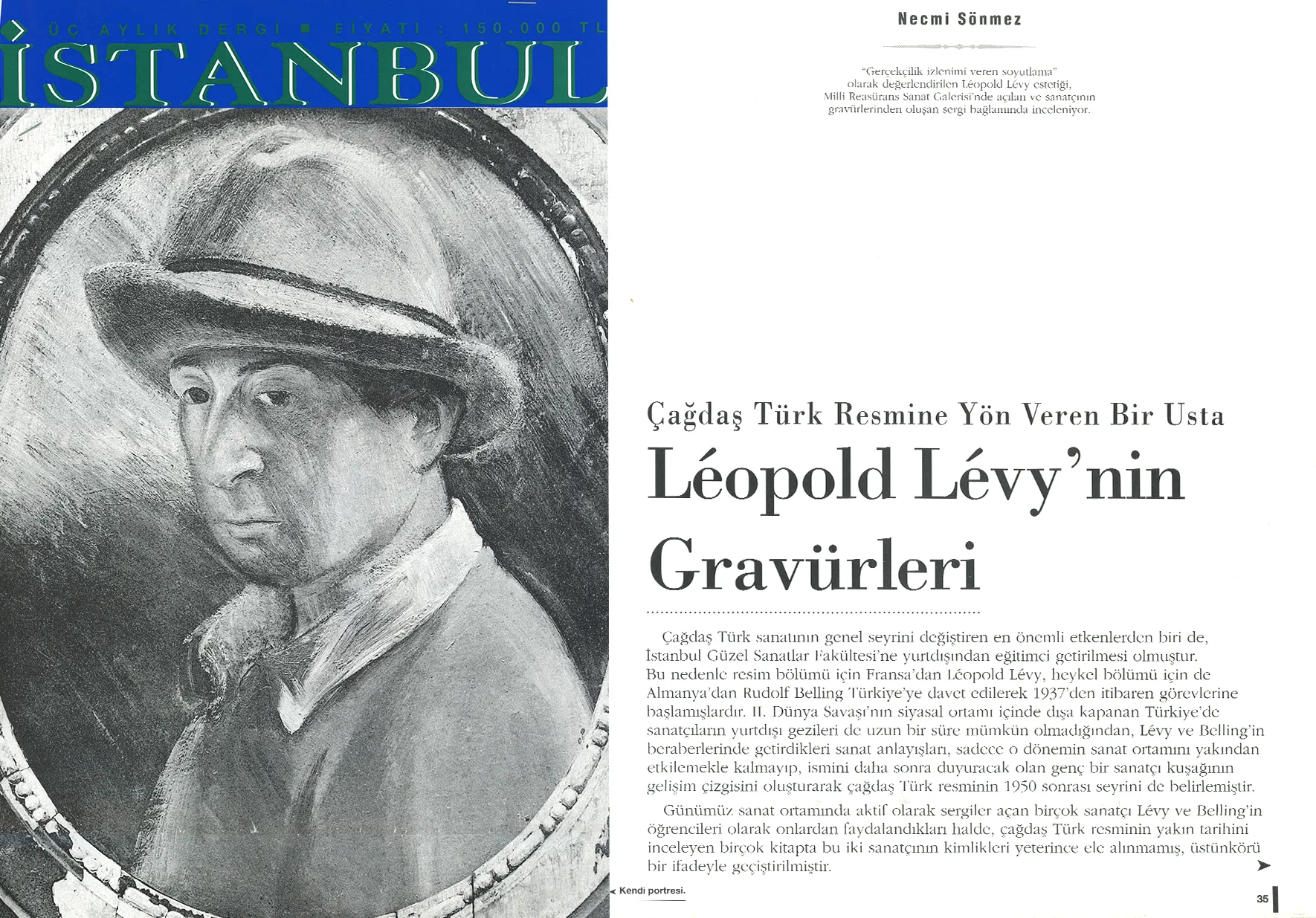
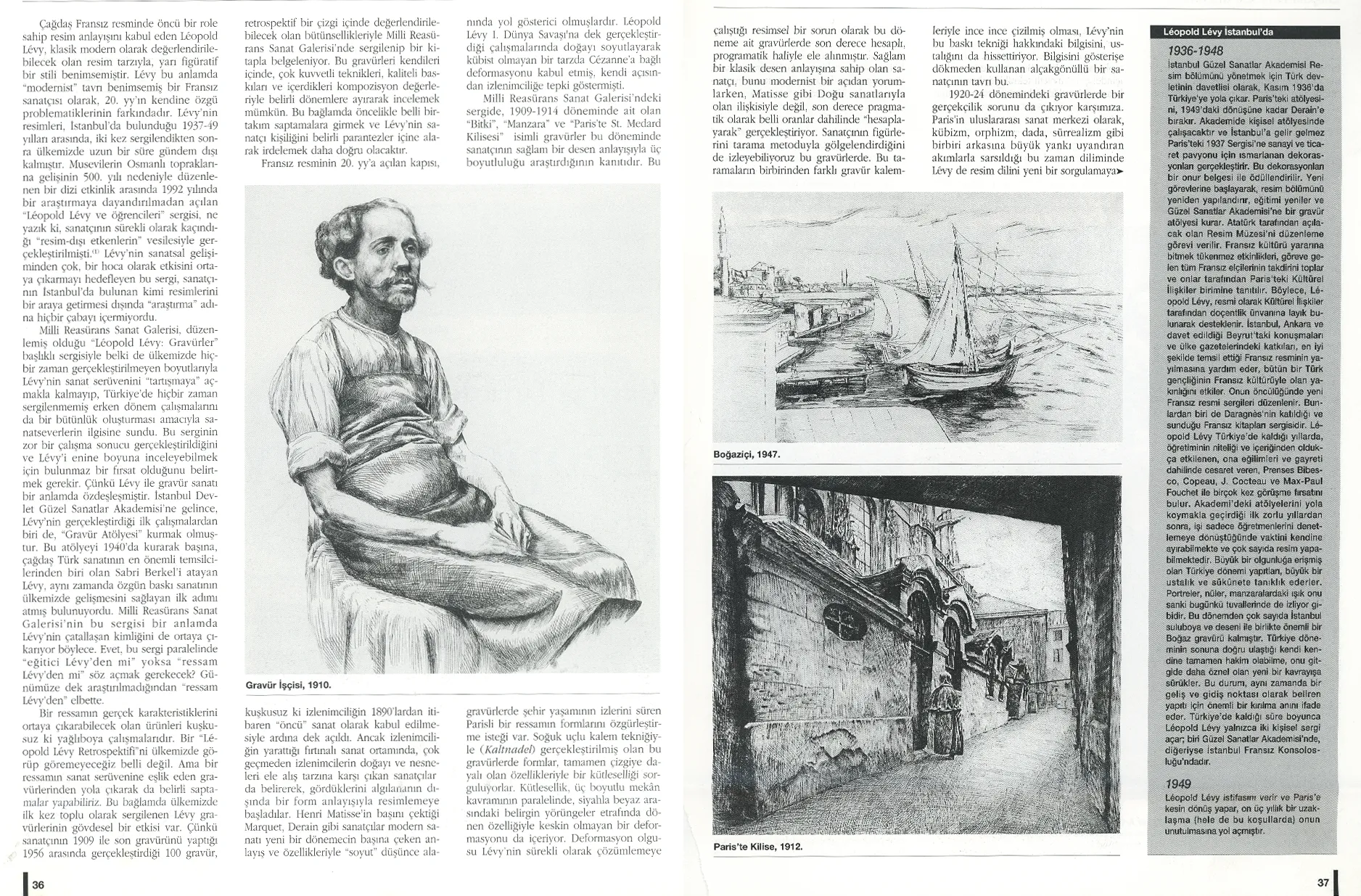
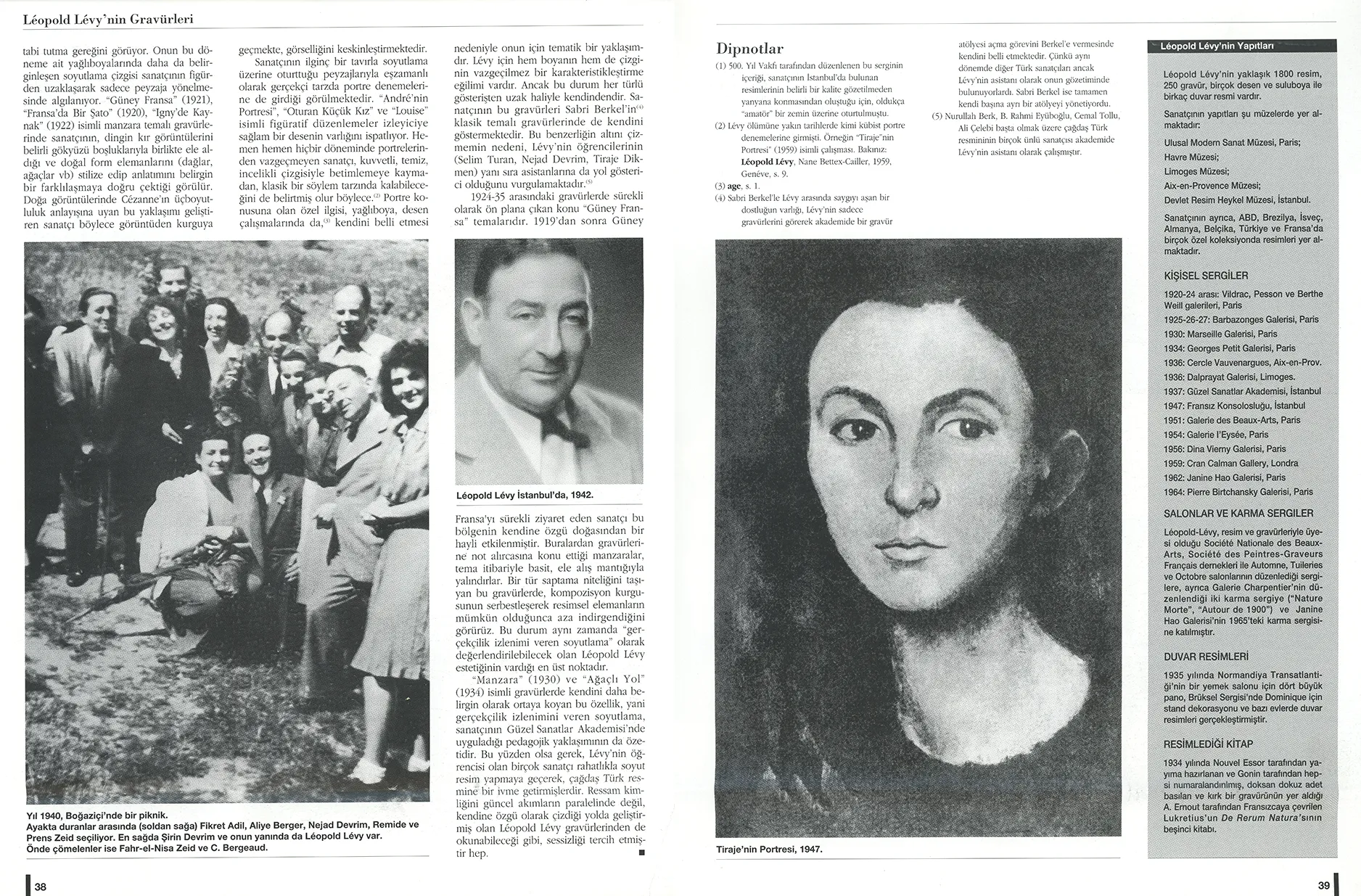
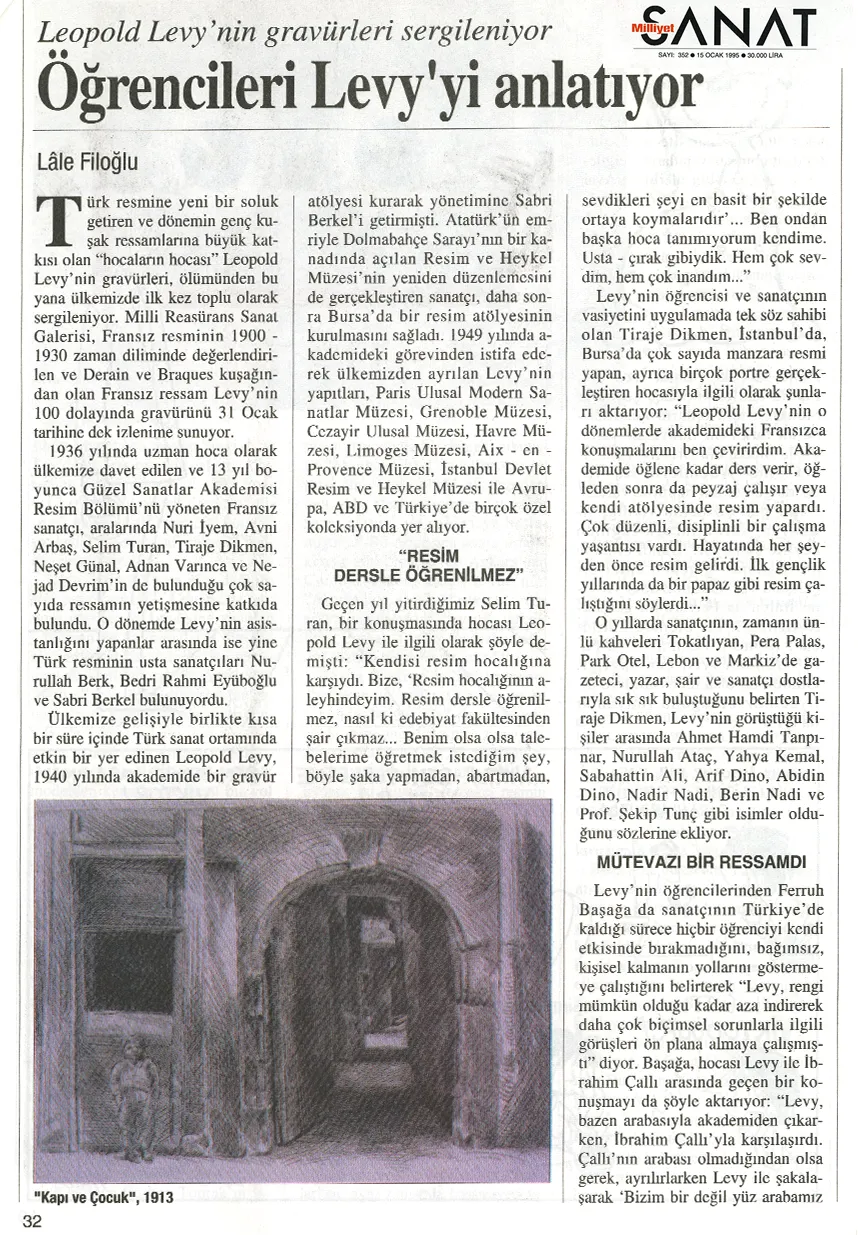
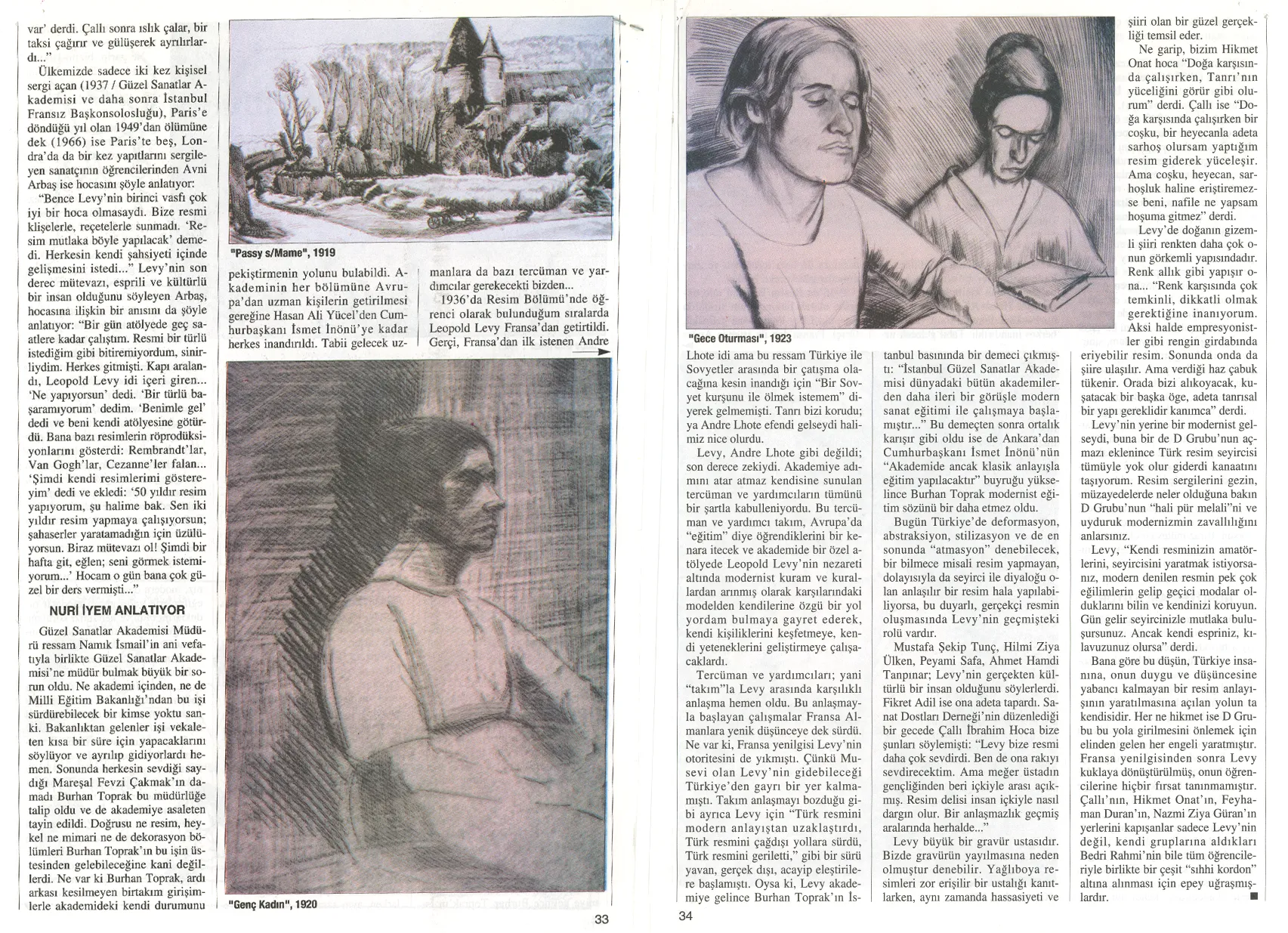
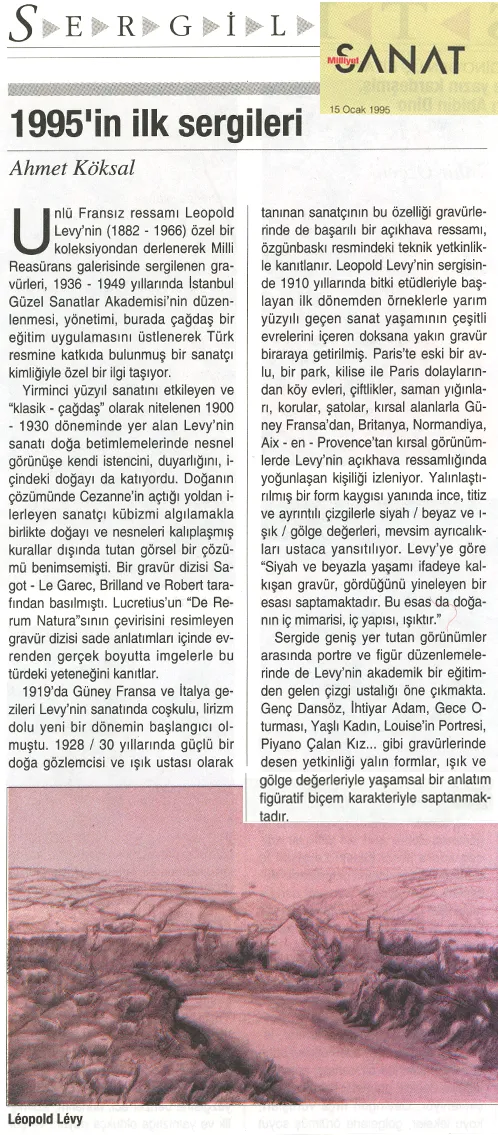
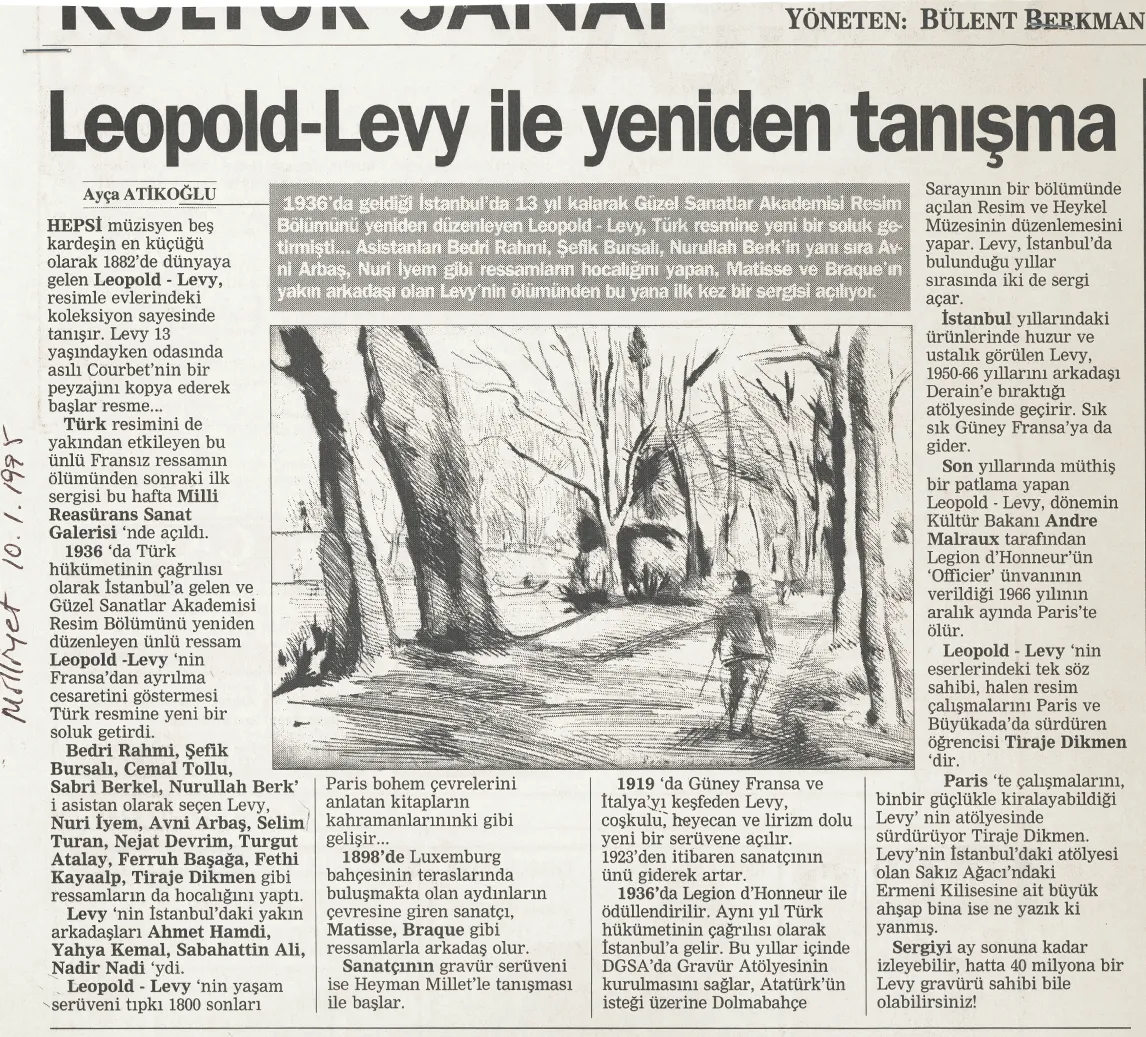
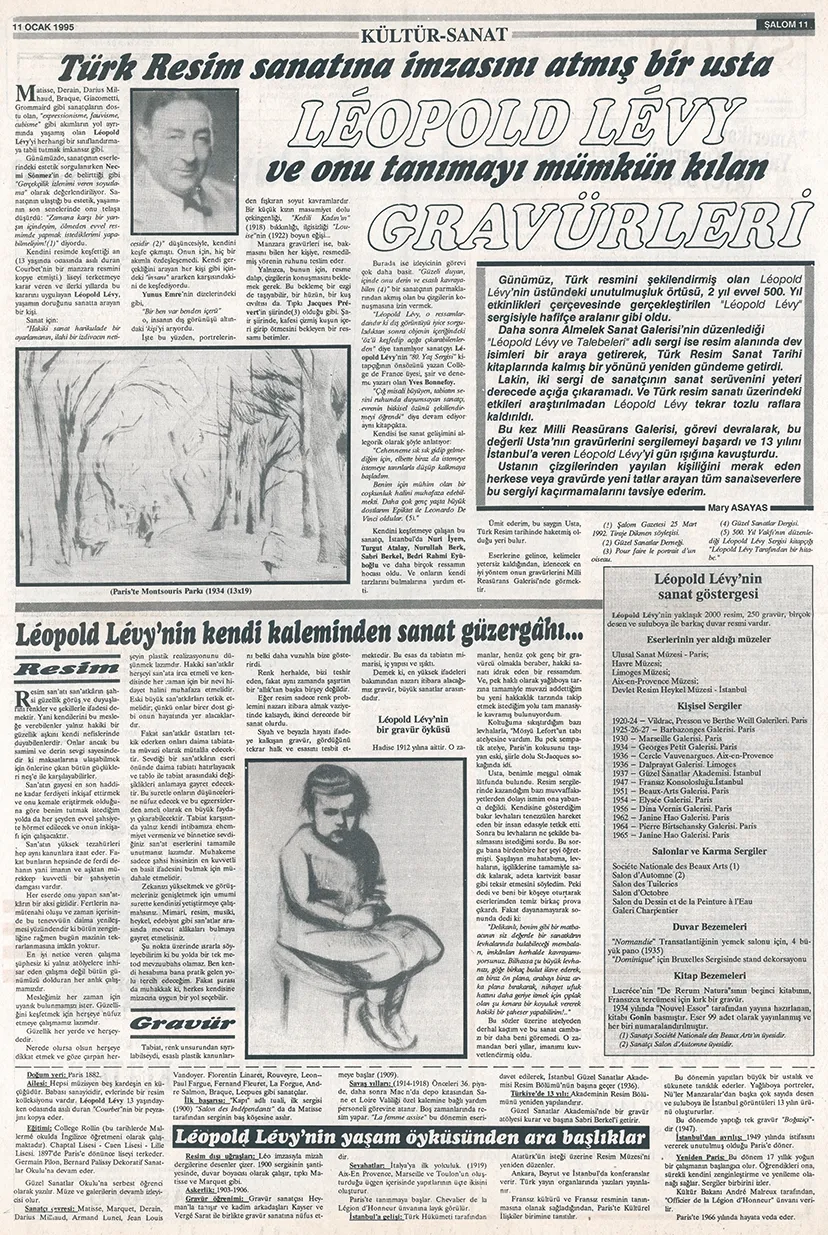
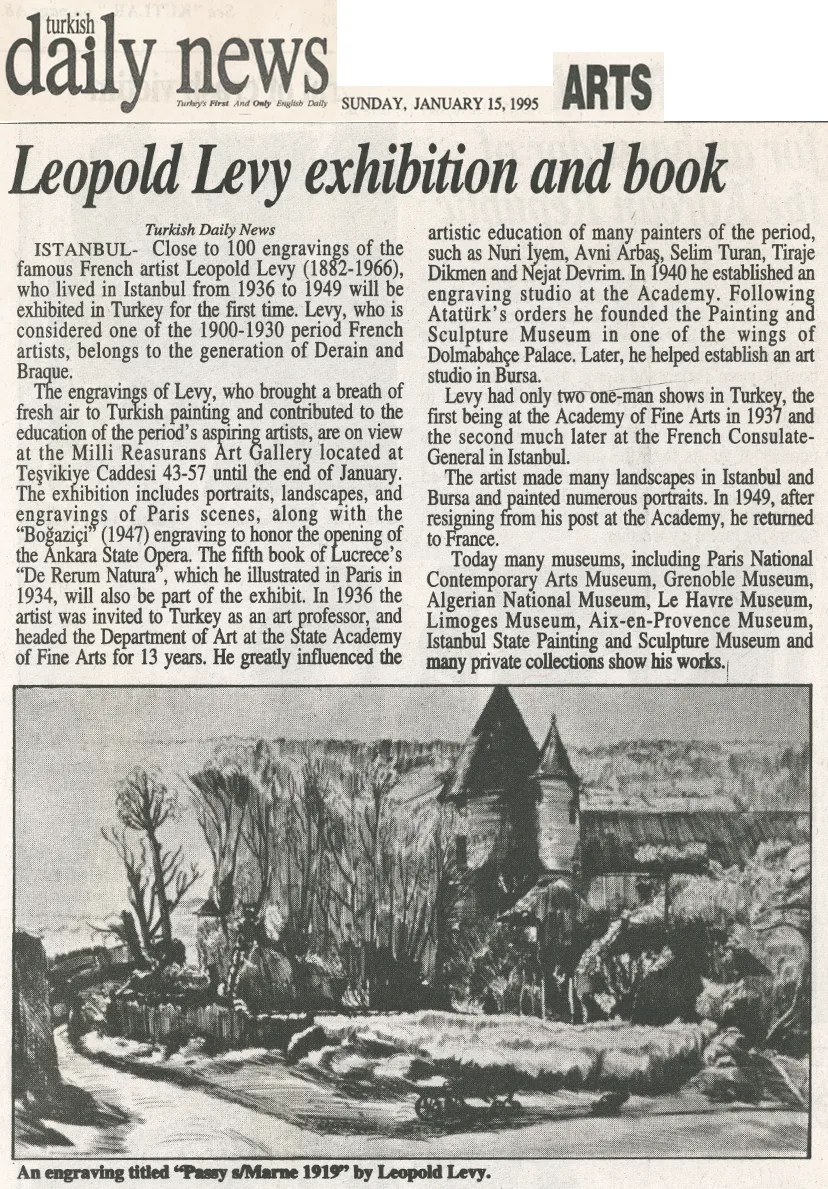
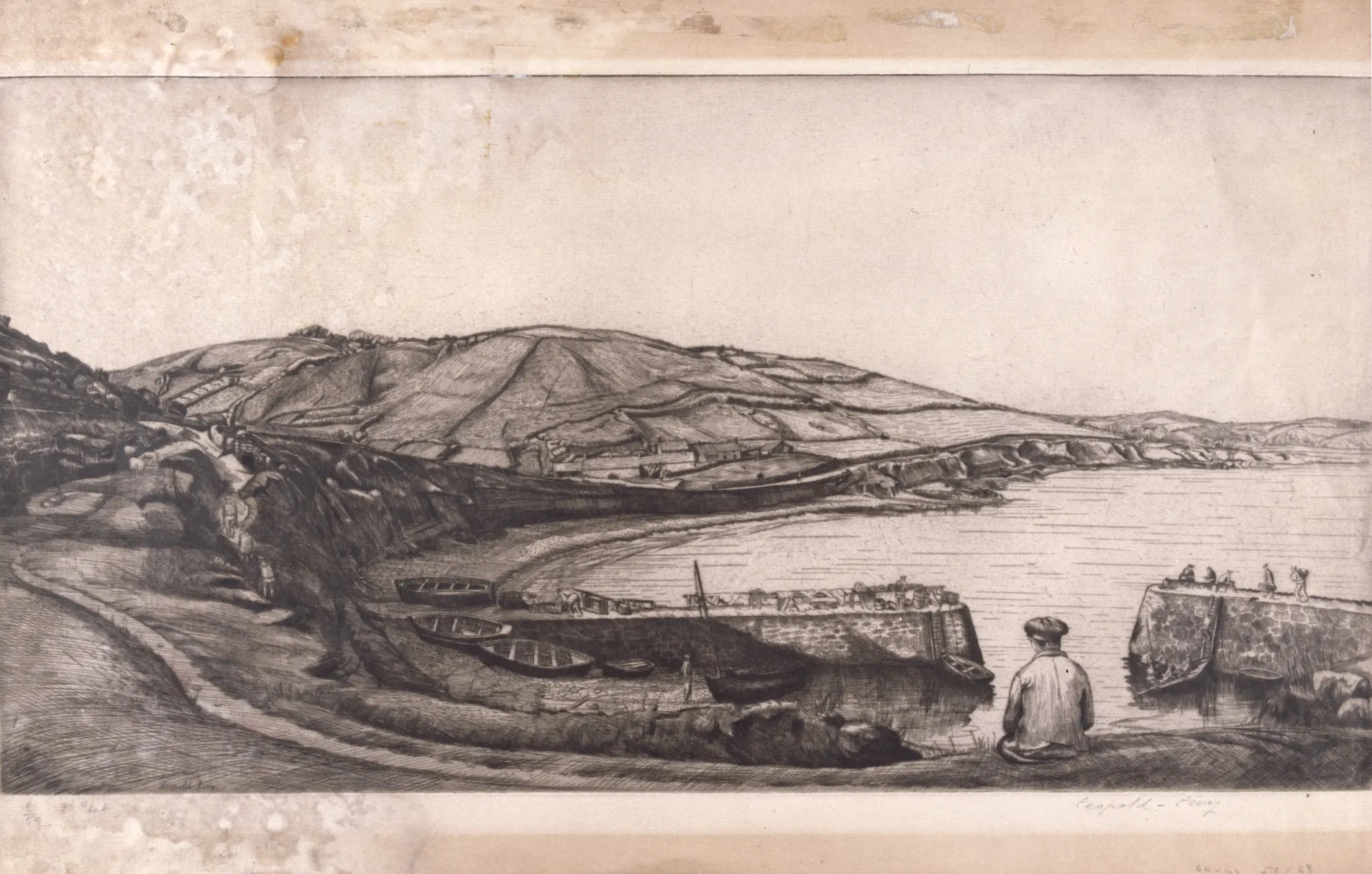
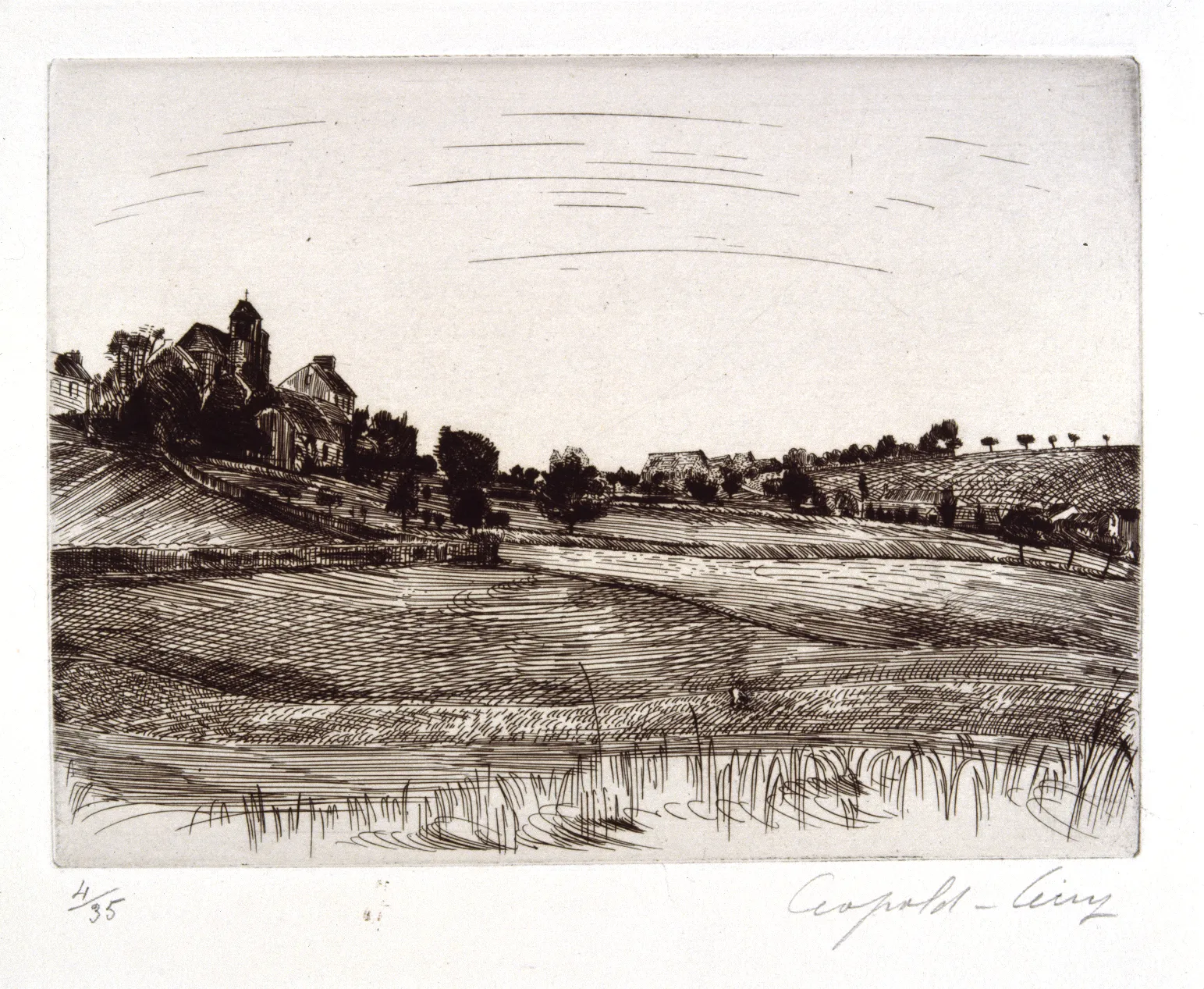
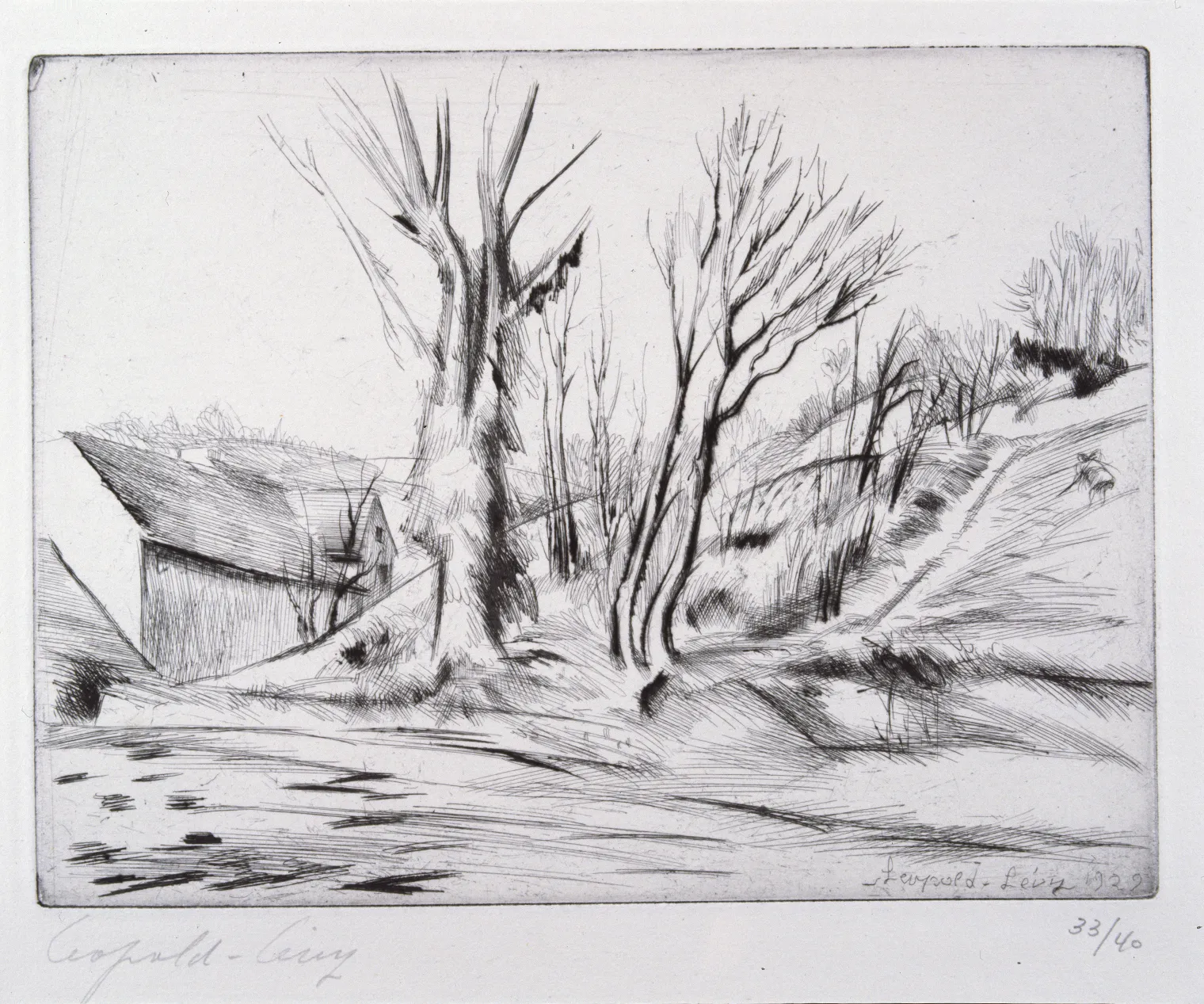
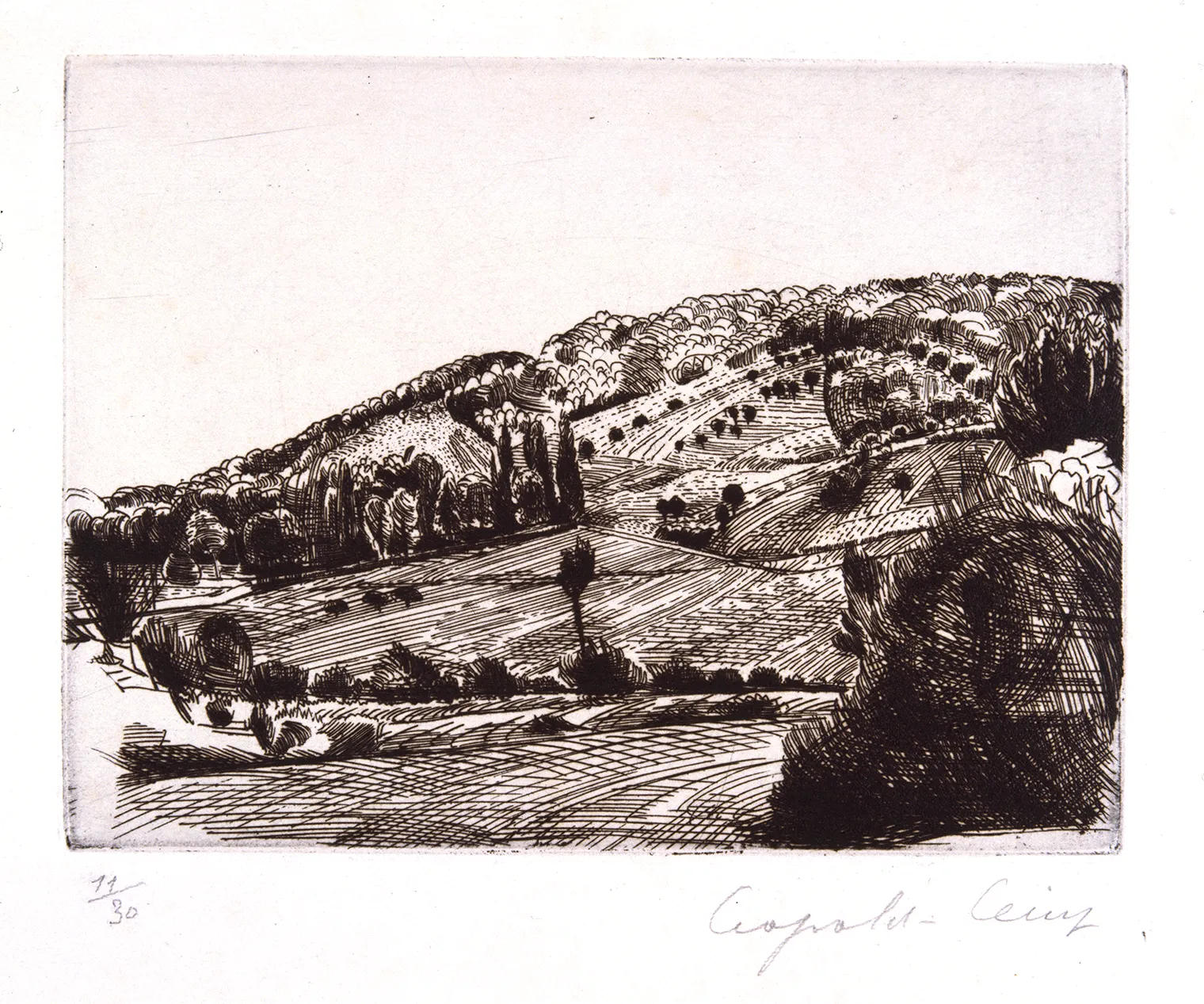
The engravings by the renowned French painter Léopold Lévy (1882–1966), brought together from a private collection and exhibited at the Millî Reasürans Gallery, hold particular interest in light of his role as an artist who contributed to Turkish painting by helping organize and administer the Istanbul Academy of Fine Arts between 1936 and 1949, where he also introduced a contemporary approach to painting.

Lévy’s art, situated in the 1900–1930 period often described as “classical–modern,” which shaped twentieth-century art, incorporated into the objective appearance of natural depictions his own will, sensitivity, and inner sense of nature. Following the path opened by Cézanne in his interpretation of nature, Lévy perceived Cubism yet adopted a freer approach that kept nature and objects outside rigid rules. One of his engraving series was printed by Sagot–Le Garec, Brilland, and Robert. The series illustrating the translation of Lucretius’s De Rerum Natura demonstrates his talent in this medium, depicting birth and death with imagery rendered in a simple, direct manner.
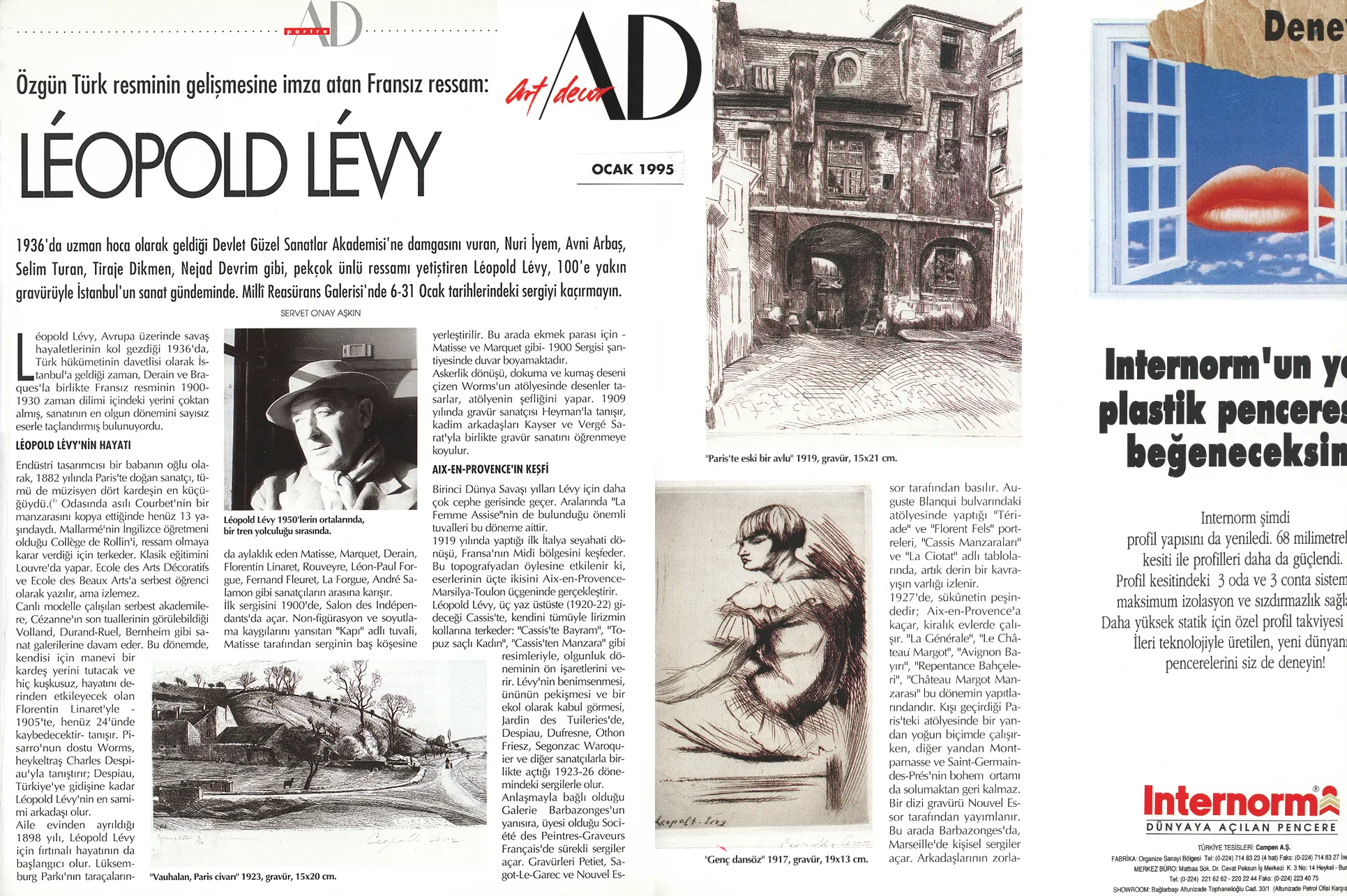
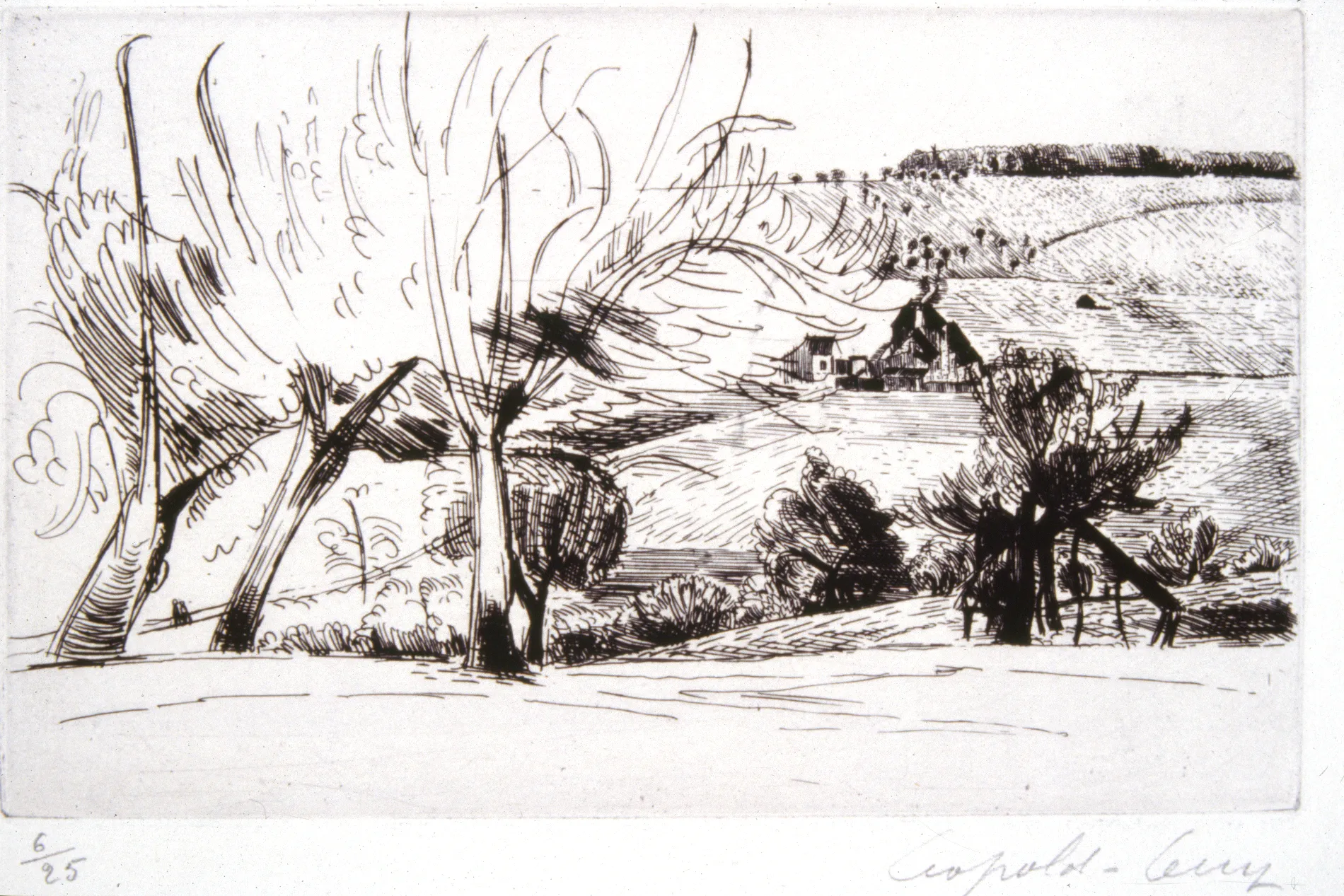
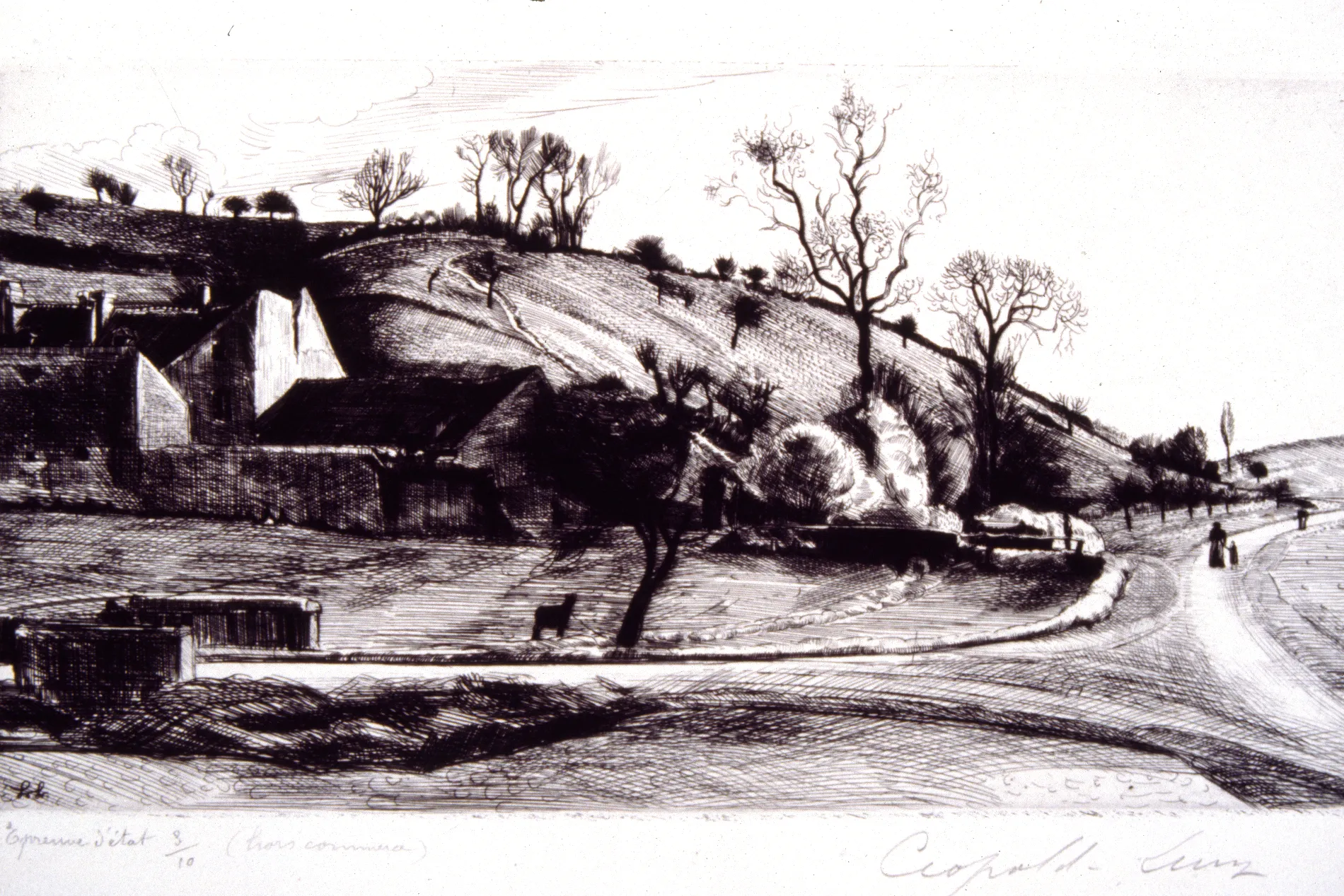
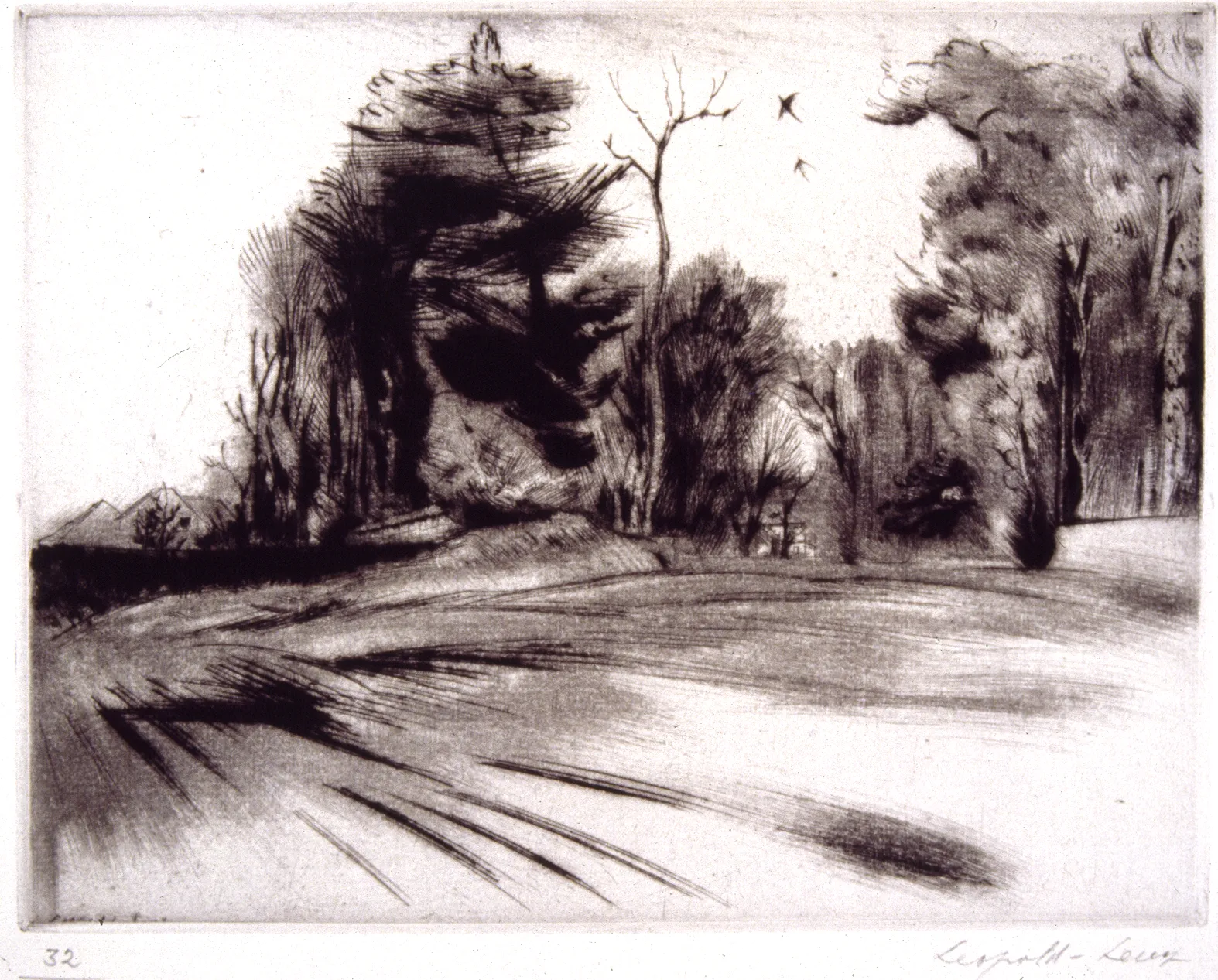
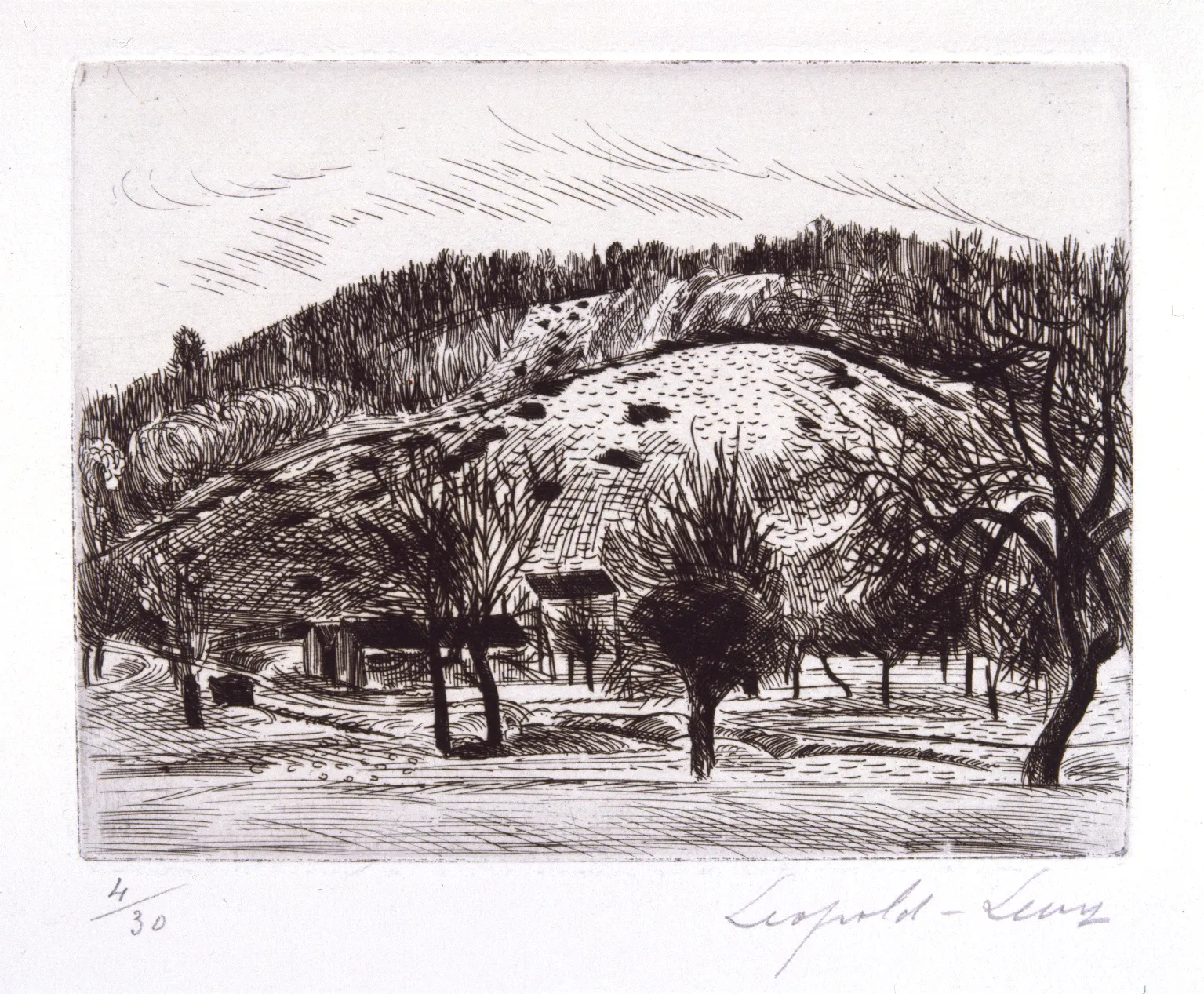
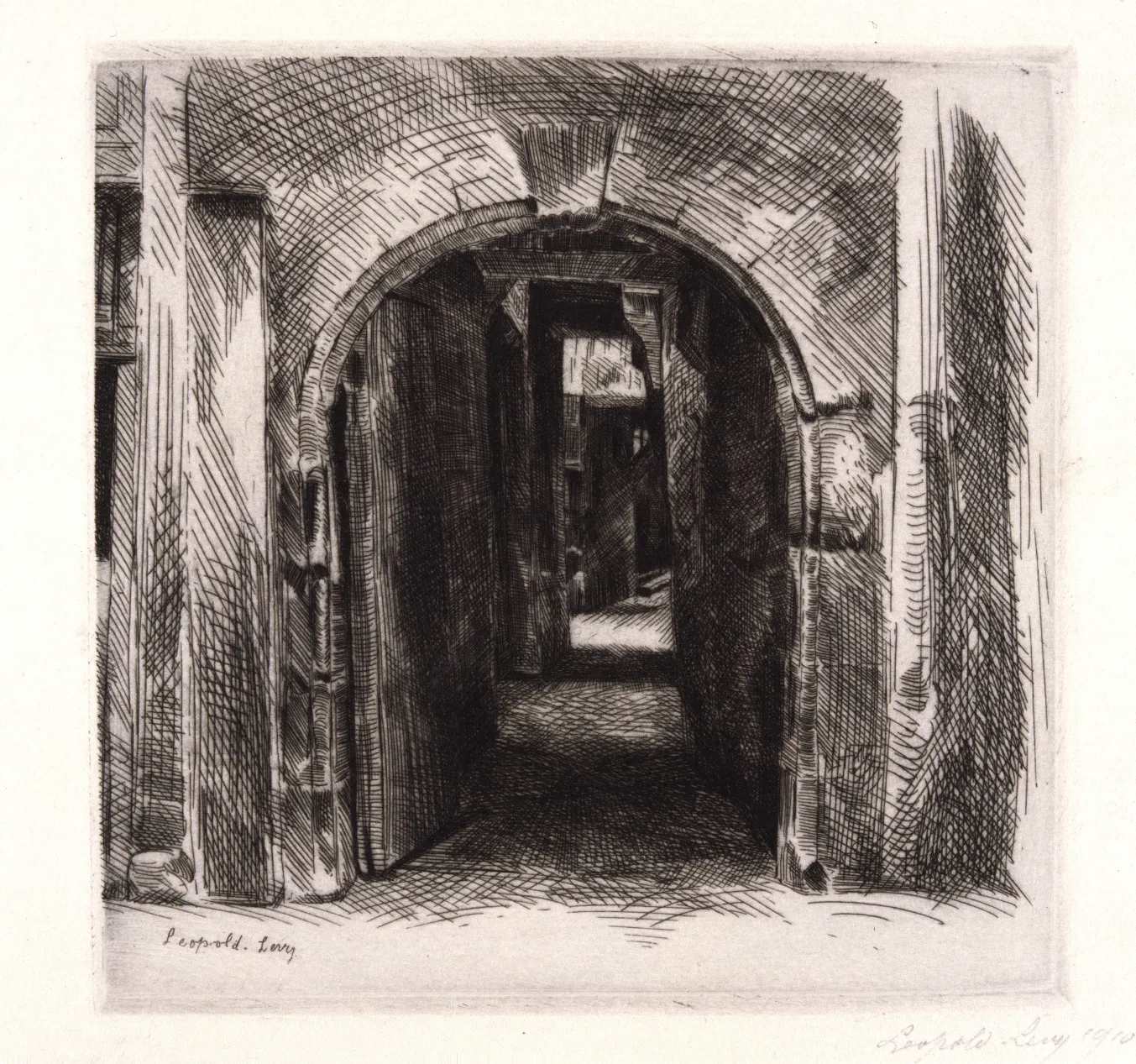
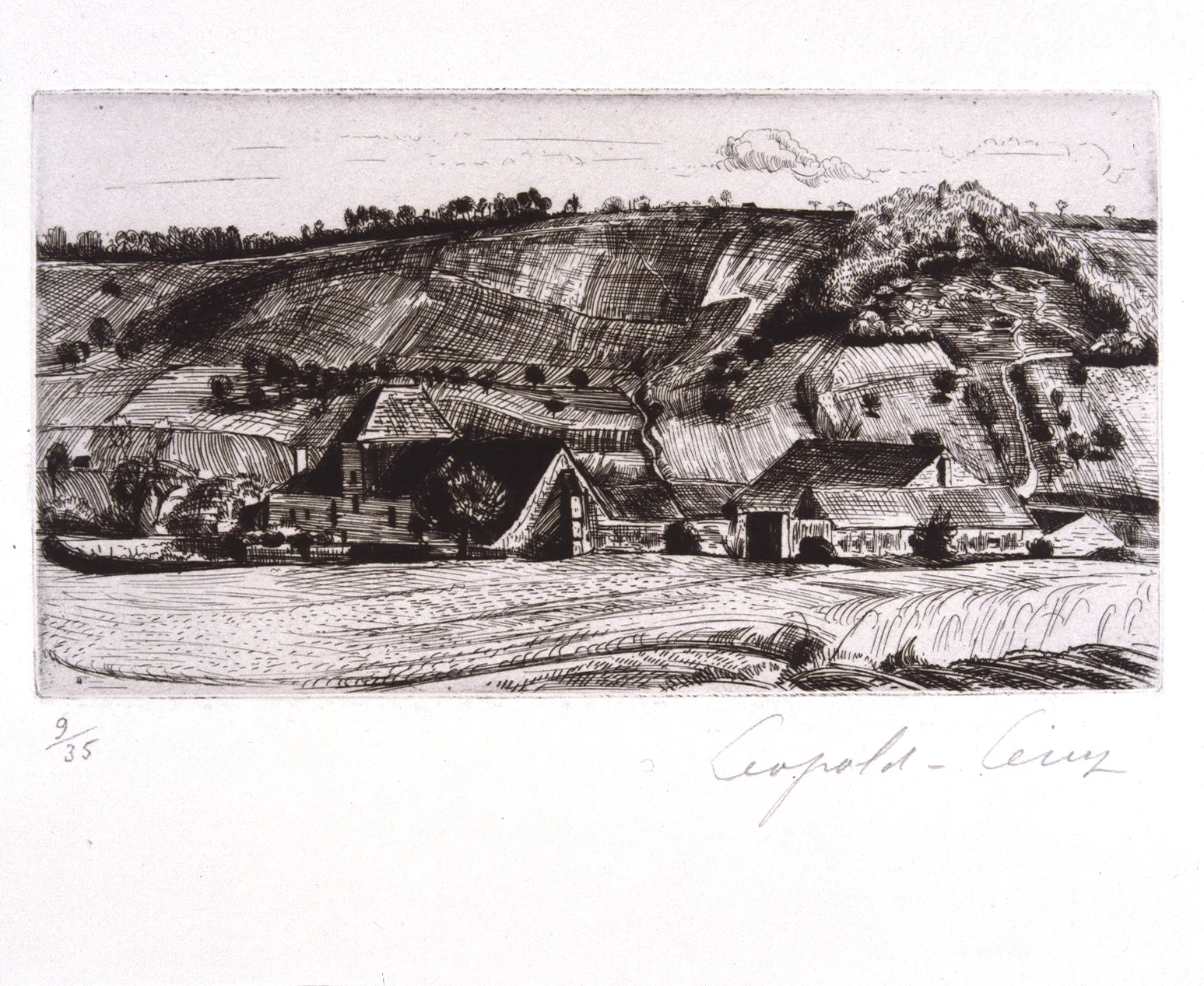
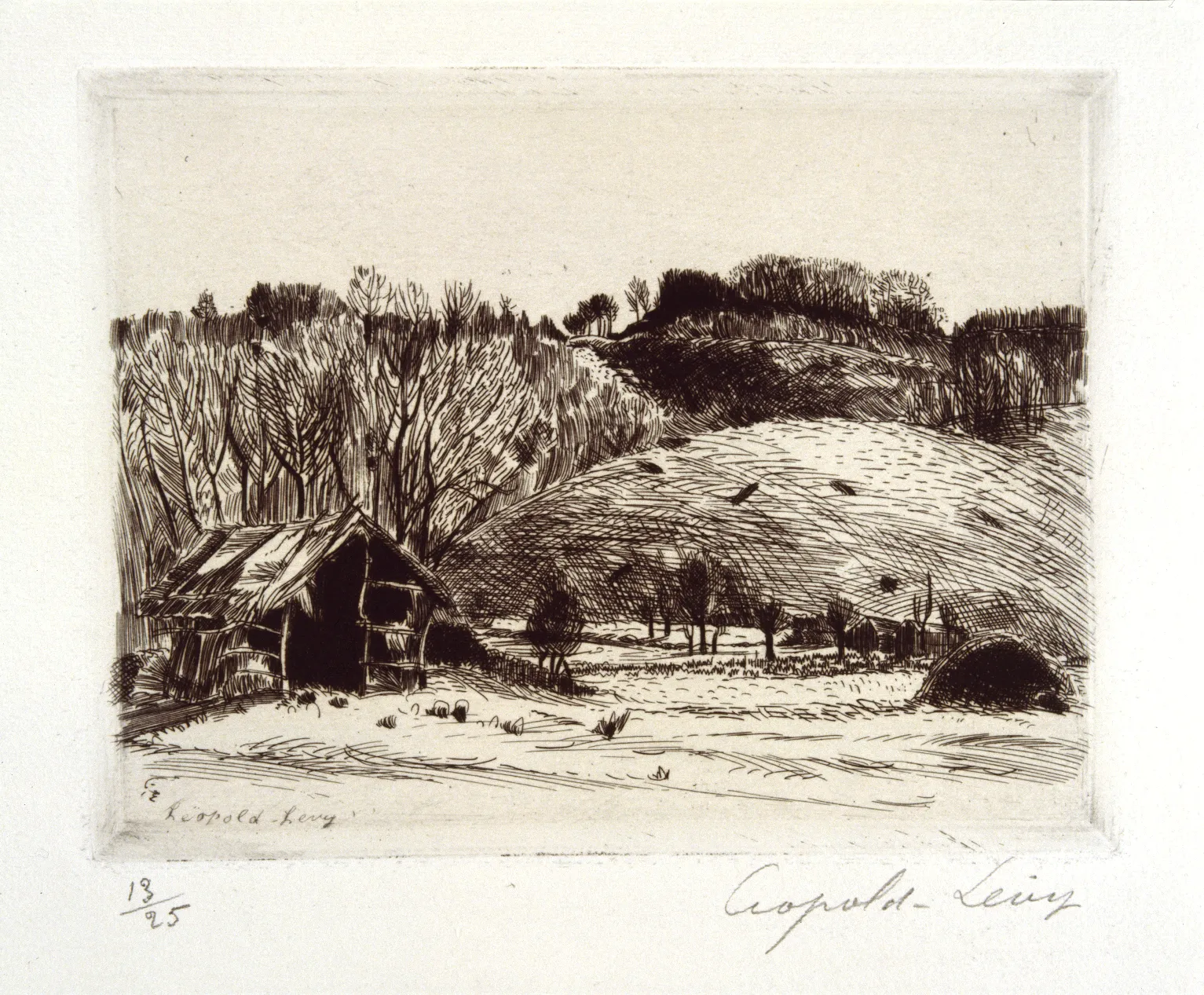
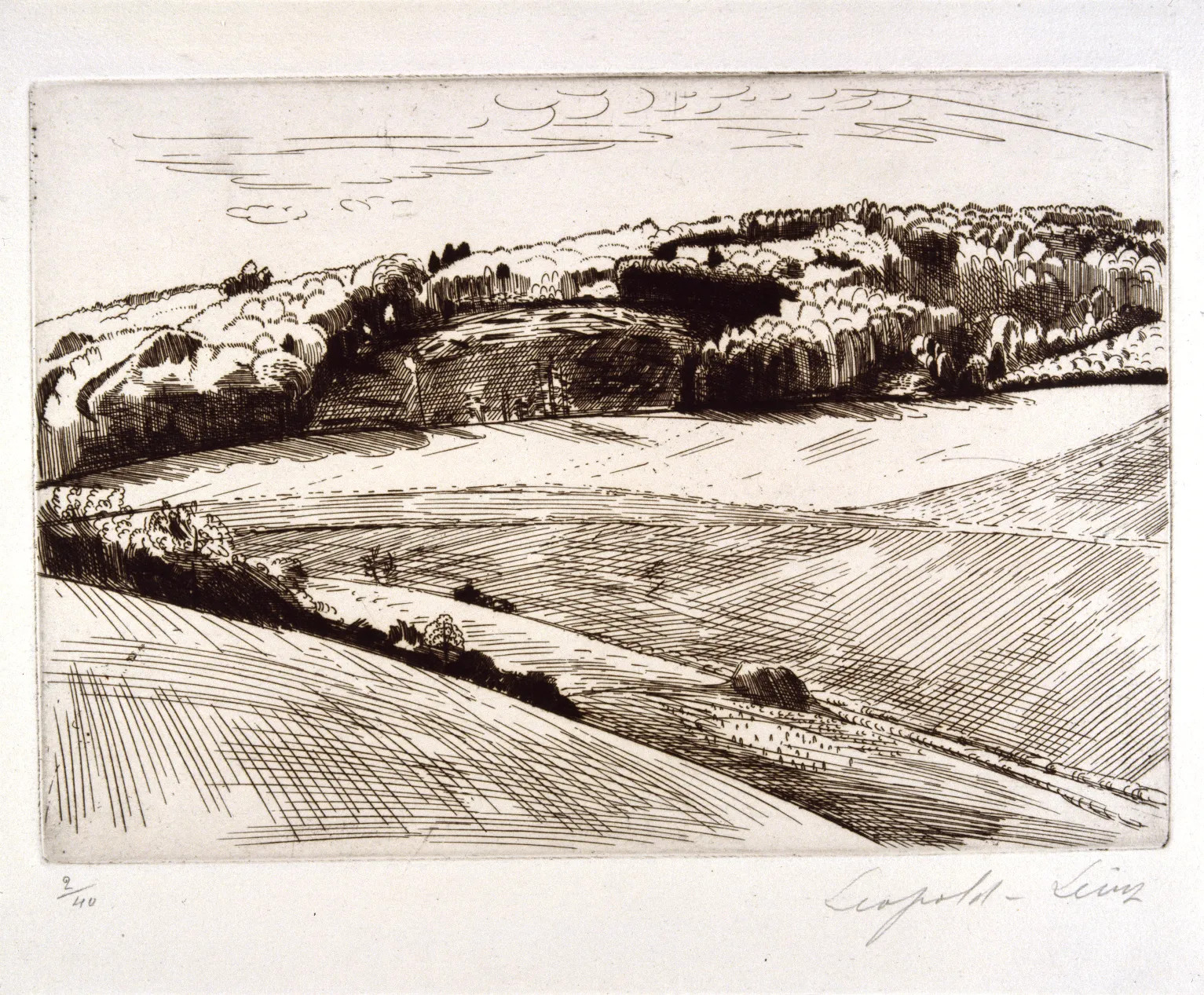
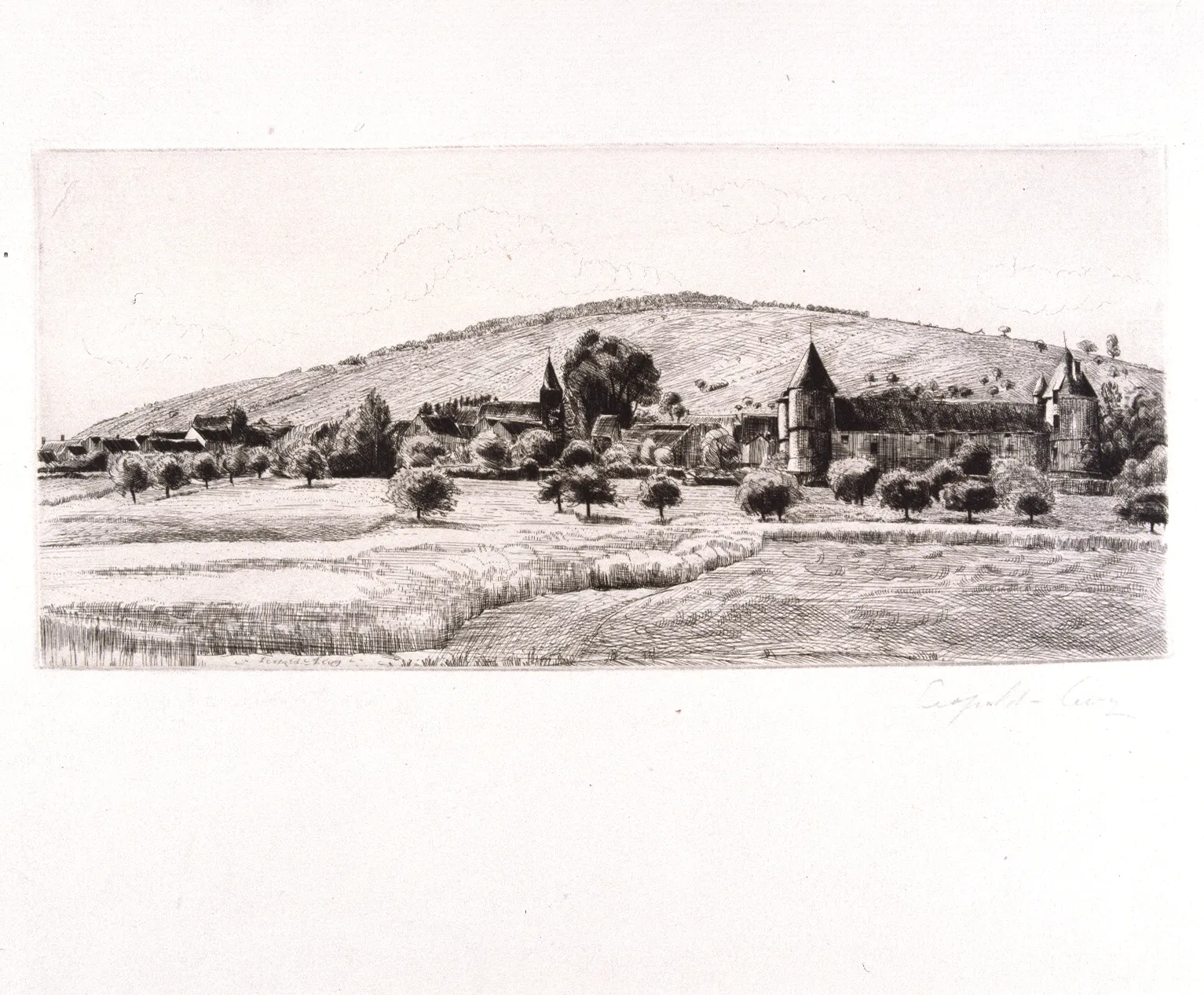
Lévy’s travels in southern France and Italy in 1919 marked the beginning of a new period in his work, filled with enthusiasm and lyricism. In the years 1928–1930, he became known as a keen observer of nature and a master of light—qualities that are also evident in his engravings, where he proves himself both a skilled plein-air painter and a technically accomplished printmaker. The Lévy exhibition brings together nearly ninety engravings illustrating various phases of his artistic career of over half a century, including examples from his earliest period in the 1910s, which began with botanical studies. In depictions of an old courtyard in Paris, a park, a church, and in village houses, farms, haystacks, groves, châteaus, and rural scenes from the Paris region—as well as rural views from southern France, Brittany, Normandy, and Aix-en-Provence—one observes the qualities that define Lévy’s identity as a plein-air painter. Alongside a concern for simplified form, subtle, meticulous, and detailed lines, as well as masterfully conveyed values of light/white and light/shadow, capture the distinctive qualities of the seasons. According to Lévy, “The engraving, which expresses life through black and white, is fundamentally a determination that reiterates what is seen. This essence is the inner architecture, the inner structure of nature, and light.”

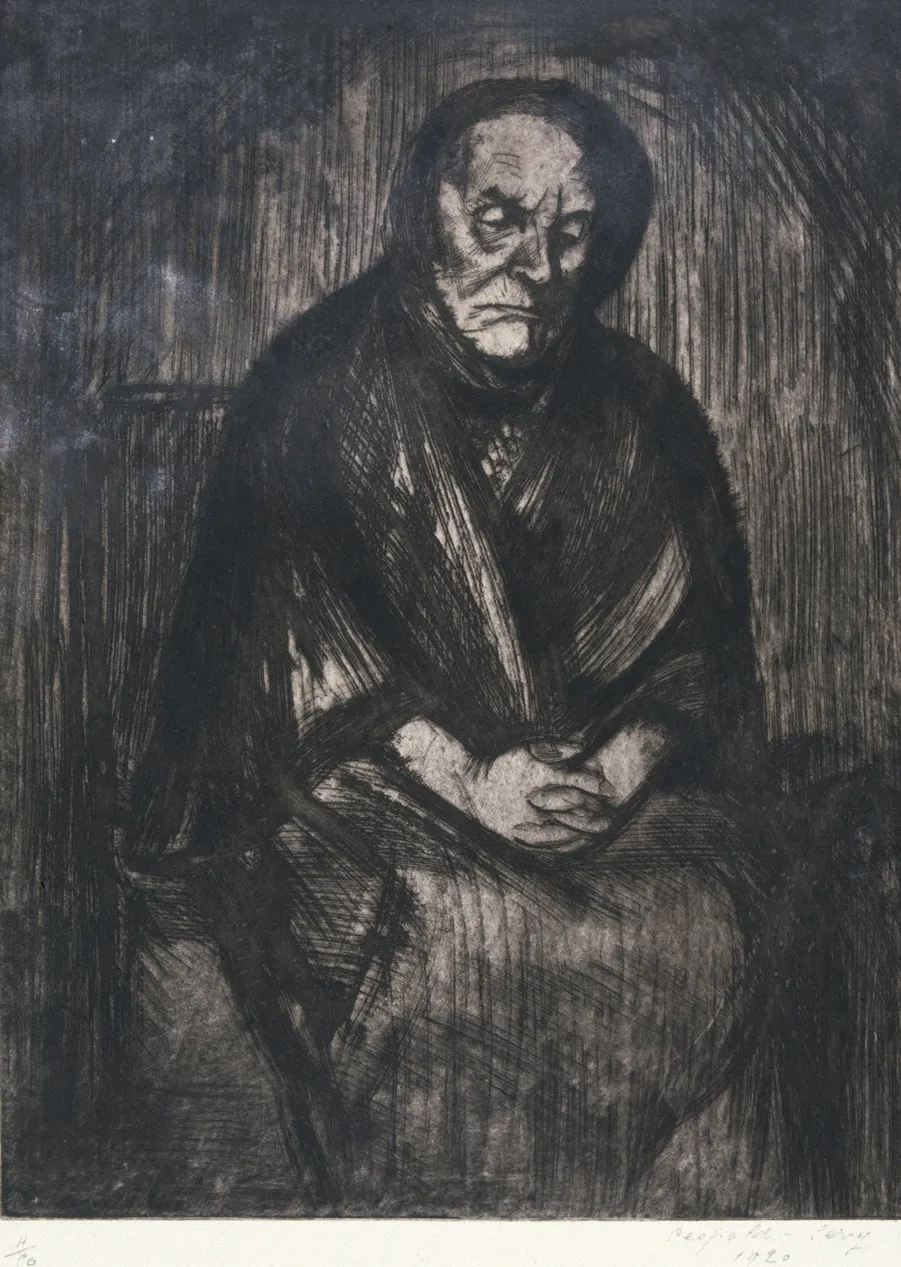
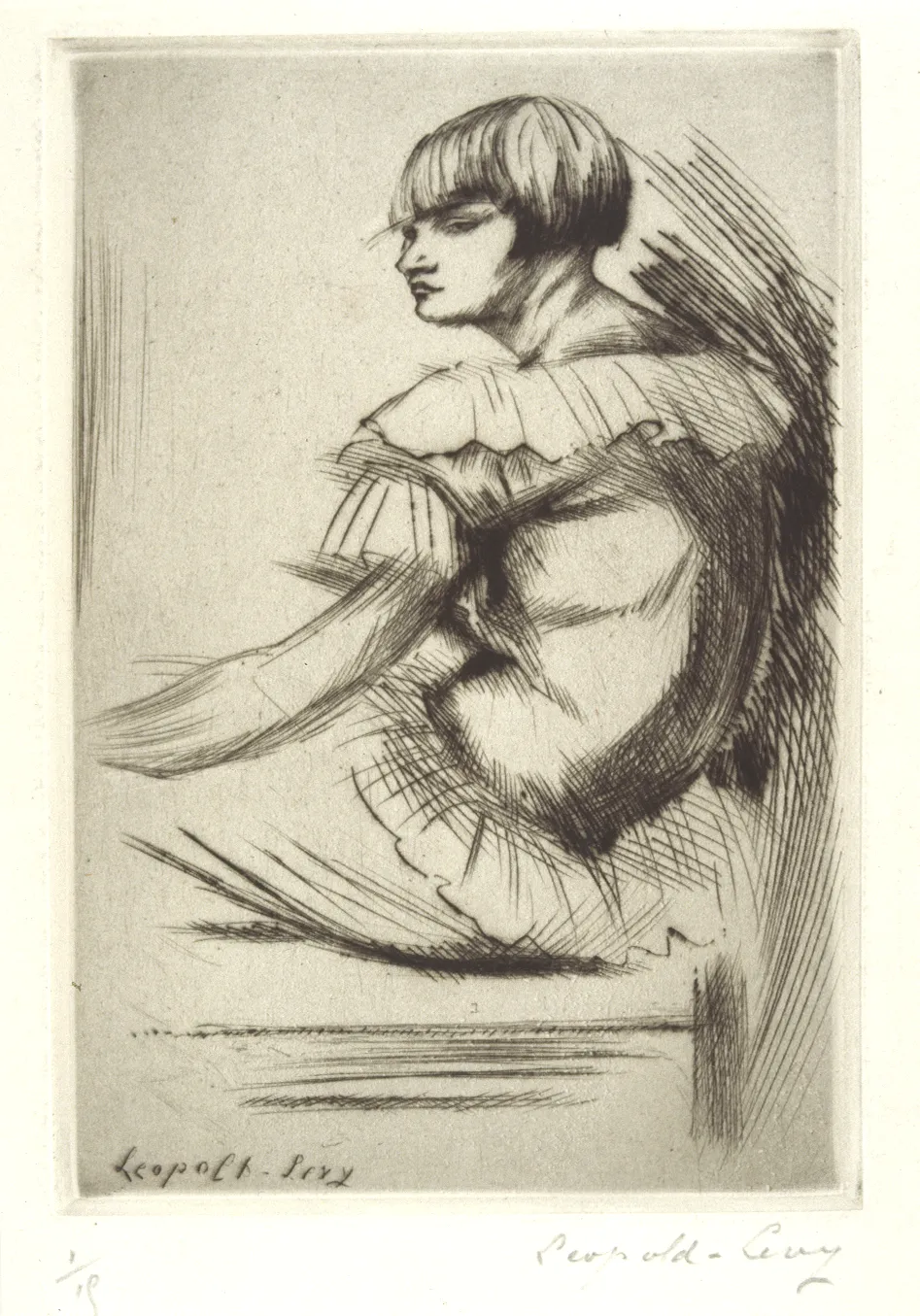
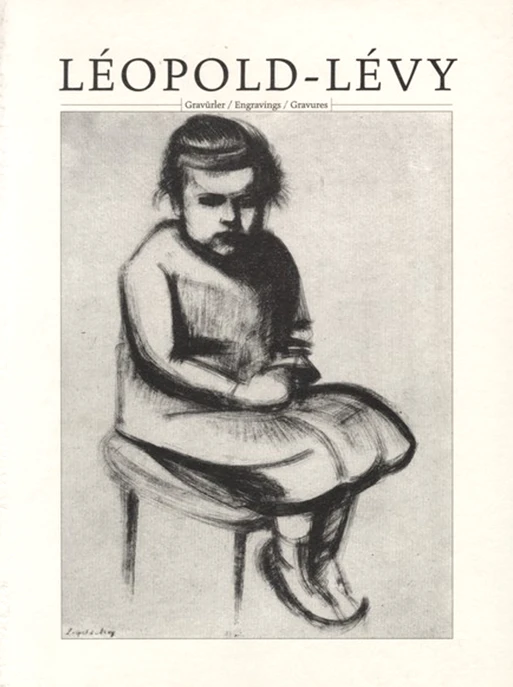
Among the landscapes that occupy a significant portion of the exhibition, Lévy’s mastery of line—stemming from his academic training—also stands out in his portraits and figure compositions. In engravings such as Young Friend, Old Man, Evening Gathering, Old Woman, Louise’s Portrait, and Girl Playing the Piano, his proficiency is defined by simple forms and the expressive quality of light and shadow, which together characterize his figurative style.

WORKS

BOOK

This book is published to the occasion of “Léopold Lévy” exhibition held between January 6 – 31 1995 at Millî Reasurans Art Gallery.

Publisher
Millî Reasürans T.A.Ş
1st Edition, 500 copies
ISBN 975-7235-04-0

Organization
Millî Reasürans Sanat Galerisi

Curator
Amelié Edgü

Curatorial Assistant
Meral Bekar

Text
Yves Bonnefoy

French Translation
Levent Yılmaz

English Translation
Teoman İmamoğlu

Photography
Erdal Aksoy
Ara Güler (page 25)
Tiraje Dikmen (page 35)

Design and Pre-Press Procedures
Bilge Barhana, Esen Karol

Color Separation and Printing
Ofset Yapımevi

WARNING

All the artistic works and content on this website belonging to Milli Reasürans Art Gallery cannot be copied, moved, published or used partially or completely without reference. By initiating the legal actions, the legal and criminal sanctions arising from the Law on Intellectual and Artistic Works numbered 5846 and the Turkish Penal Code numbered 5237 shall be imposed on those who violate this matter.

PRESS